
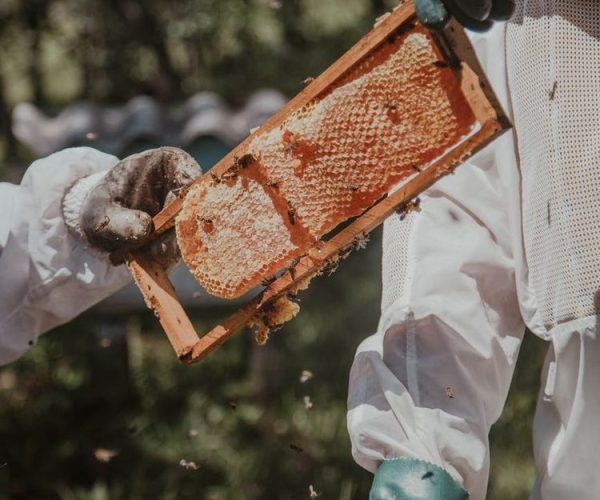
Bee swarms are a common sight in many parts of Kenya, especially during warm seasons or when colonies are reproducing. While a swarm of bees may look frightening, swarming bees are usually at their calmest—they are not defending a hive and their main focus is finding a new home. However, they can still pose a risk to people, pets, and property if not handled properly. Safe and humane bee removal is essential not only for public safety but also for protecting Kenya’s critical bee population. Below is a detailed guide on how to safely collect and remove a swarm of bees in Kenya.
1. Understanding Why Bees Swarm
Bee swarming is a natural process where part of a colony leaves the hive with a queen to establish a new home. This usually happens due to:
-
Congestion in the hive.
-
Reduced space for the queen to lay eggs.
-
Overpopulation.
-
High temperatures.
-
Natural reproduction and colony expansion.
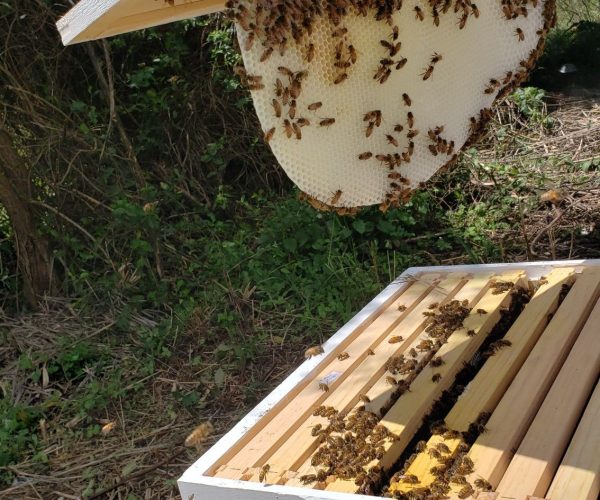
A swarm typically hangs temporarily on a tree, fence, roof, or even a vehicle while scout bees search for a permanent location. This temporary cluster is the ideal time for safe removal.
2. What You Should NOT Do
Before learning how to remove a swarm, it’s important to know what to avoid:
-
Do NOT spray the bees with pesticides. This kills the bees and is illegal in some counties, plus it endangers the environment.
-
Do NOT disturb the swarm. Throwing stones, shaking branches, or attempting to smoke them out can provoke them.
-
Do NOT attempt removal without proper protective gear. African honey bees are more defensive than European species commonly seen elsewhere.
-
Do NOT set a fire or burn the area. This is extremely dangerous and ineffective.
3. Safety First: Protect Yourself and Bystanders
Bee safety is the number one priority.
Secure the area
Keep people and animals at least 20–30 metres away from the swarm. If it’s in a public area, put up warning signs or cordon off the spot.
Wear proper protection
If you are carrying out the removal, ensure you have:
-
A bee suit or thick overalls.
-
Long gloves.
-
Gumboots.
-
A veil or net to protect your face and eyes.
Professional beekeepers in Kenya use full bee suits designed for African bee behaviour—this level of protection is essential.
4. Tools Needed for Safe Swarm Collection
To collect a swarm safely and humanely, you’ll need:
-
A bee suit and gloves.
-
A smoker (optional, use lightly).
-
A hive tool for cutting branches or scraping surfaces.
-
A top bar hive or Langstroth hive prepared with frames/foundation.
-
A cardboard box or swarm catching basket.
-
A brush to gently sweep bees.
-
A white sheet to guide bees into the hive.
-
Sugar syrup for feeding if the swarm is weak.
5. The Safe Step-by-Step Swarm Removal Process
Step 1: Assess the swarm
Observe the cluster:
-
How high is it?
-
Is it on a branch, wall, or roof?
-
Are there signs of aggression?
Most swarms hang in a ball-like cluster. If the bees are flying aggressively in circles, call a professional immediately.
Step 2: Prepare your hive or swarm box
Have your hive close by and partially opened. Place a white sheet on the ground leading into the hive so bees can walk inside naturally.
Step 3: Gently collect the swarm
If the swarm is on a branch:
-
Position your box or hive directly underneath.
-
Give the branch a firm shake so the majority of bees drop into the box.
-
Alternatively, cut the branch and gently lower it into the box or hive.
If the swarm is on a wall or surface:
-
Use your brush to gently sweep bees into the box.
-
If they are spread out, use slow movements to avoid agitating them.
The most important goal is to capture the queen. When the queen is inside the box or hive, the remaining bees will follow automatically.
Step 4: Allow the bees to settle
Place the hive or box on the sheet and leave a small entrance.
You’ll observe bees:
-
Fanning their wings at the entrance.
-
Marching into the hive in a steady stream.
This indicates the queen is inside and the swarm is accepting the new home.
Let them settle for 1–2 hours before moving the hive.
Step 5: Transport the swarm
Once calm:
-
Cover the hive or swarm box entrance with breathable mesh.
-
Transport during the late evening or night when bees are less active.
Move them to a safe apiary site far from heavy human traffic, schools, hospitals, and footpaths.
6. Alternative Methods Used in Kenya
Use of bait hives
Beekeepers set up bait hives with:
-
Beeswax.
-
Propolis.
-
Lemongrass oil.
These attract swarms naturally and reduce the need for manual collection.
Trap-out methods
If the swarm has entered a roof, ceiling, or wall cavity, a trap-out method can be used to remove bees without destroying the structure.
7. When to Call a Professional Beekeeper
While some farmers or experienced beekeepers can remove swarms themselves, many situations require an expert. Call a licensed beekeeper or a swarm removal service if:
-
The swarm is inside a roof, ceiling, or chimney.
-
Bees are highly aggressive.
-
You don’t have the right protective equipment.
-
The swarm is too high to reach safely.
-
There are children, elderly, or pets nearby.
-
You want the swarm relocated without harming them.
Professional teams in Kenya (including in Nairobi, Nakuru, Eldoret, and Mombasa) usually charge a small fee but guarantee safe and humane relocation.
8. Why Bees Should Never Be Killed
Kenya relies heavily on bees for:
-
Crop pollination.
-
Environmental biodiversity.
-
Honey and wax production.
-
Supporting farmers’ livelihoods.
Killing swarms reduces bee populations and hurts local agriculture. Safe removal ensures bees continue supporting ecosystems even after relocation.
9. Preventing Future Swarms in Homes and Office Areas
If swarms keep appearing around your area:
-
Seal cracks, roofing gaps, and ceiling holes.
-
Remove abandoned equipment or boxes where bees can nest.
-
Clear vegetation close to buildings.
-
Set up bait hives away from human activity.
Preventive measures are especially important in residential estates, schools, and office buildings in Kenya.
Bee swarms can be intimidating, but with the right knowledge and approach, they can be safely collected and relocated without harm. Kenya’s bees are essential to the environment and agriculture, so humane handling is always the best choice. Whether you choose to remove the swarm yourself or hire a professional beekeeper, always prioritize safety, proper equipment, and ethical relocation.