
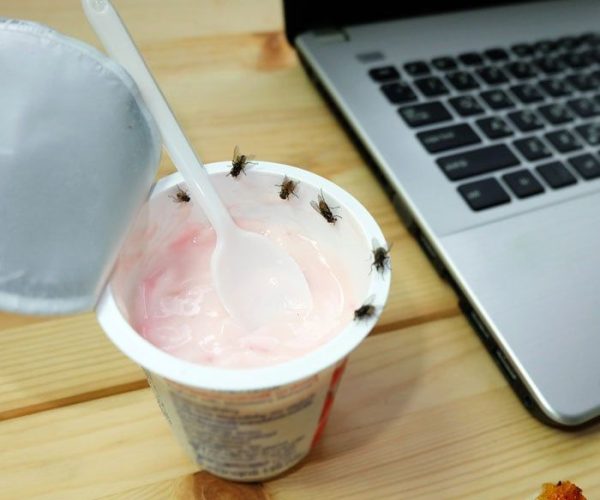
Fruit flies are tiny but extremely annoying pests that can quickly invade kitchens, offices, restaurants, markets, and homes across Nairobi. They multiply fast laying hundreds of eggs at a time and thrive in warm environments, which makes Nairobi’s climate perfect for them. Once they infest your space, they hover around fruits, dustbins, drains, and food preparation areas, creating an unhygienic environment and potentially spreading bacteria.
The good news is that fruit flies are relatively easy to eliminate if you use the right techniques consistently. This detailed guide provides top tips to get rid of fruit flies in Nairobi Kenya, along with long-term prevention strategies to keep them from coming back.
1. Identify the Source of the Infestation First
Before you set traps or use chemicals, you must identify what is attracting the fruit flies. Common sources include:
-
Overripe fruits
-
Onions and tomatoes left on the counter
-
Open garbage bins
-
Dirty mops and cleaning rags
-
Spilled juices, alcohol, or soda
-
Unwashed dishes
-
Uncovered compost bins
-
Beer bottles, juice cartons, or yoghurt packs
-
Drains and sinks with decaying matter
Walk through your kitchen or office food area and check all these possible breeding spots. Removing the source eliminates 70% of the problem immediately.
2. Remove or Store Fruits Properly
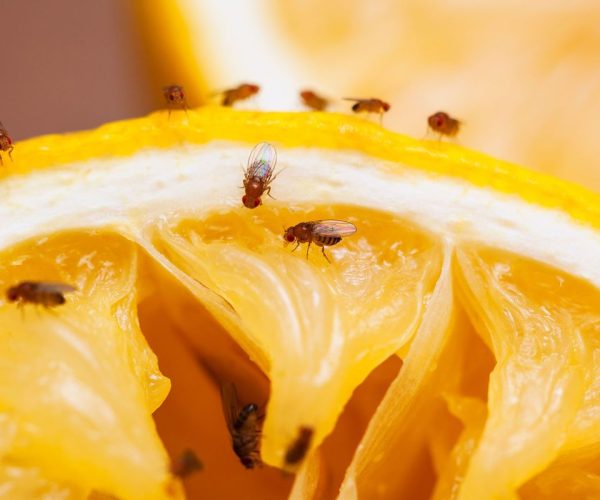
Fruit flies live up to their name—they love fermenting fruits.
To control them:
-
Refrigerate overripe fruits.
-
Store ripe fruits in sealed containers.
-
Avoid leaving bananas, mangoes, pawpaws, avocados, and tomatoes uncovered.
-
Dispose of rotten fruits in sealed garbage bags immediately.
Fruit flies can smell ripening fruit from several metres away. Once you remove their main food source, they disappear faster.
3. Clean Kitchen Surfaces Thoroughly
Fruit flies can breed on the tiniest food particles or wet sticky stains. Clean:
-
Countertops
-
Cabinet tops
-
Kitchen sinks
-
Table surfaces
-
Under appliances (microwave, fridge, cooker)
-
Floor corners
Use hot water mixed with dish soap and a disinfectant.
Important: Clean spills immediately, especially sugary liquids like juice, alcohol, and soda.
4. Take Out Garbage Daily (Especially Organic Waste)
Garbage bins are one of the biggest fruit fly attractors in Nairobi homes, hotels, and apartments.
To prevent this:
-
Empty garbage every day.
-
Use bins with lids — pedal bins work well.
-
Clean the bin itself with soap and disinfectant at least twice a week.
-
Sprinkle baking soda inside the bin to reduce odours.
Never let fruit, vegetable peels, or wet waste sit overnight.
5. Clean Your Drains They Are Hidden Breeding Spots
Fruit flies often breed in drains because they feed on organic waste stuck inside.
Signs your drain might be the source:
-
Fruit flies appear even when your kitchen is clean.
-
They hover near the sink, drain, or wash area.
How to clean drains:
-
Pour boiling water into the drain.
-
Add a mixture of baking soda + vinegar, let it foam, then rinse.
-
Scrub drain covers with soap.
Doing this 2–3 times a week stops hidden breeding.
6. Use DIY Fruit Fly Traps (Highly Effective)
Homemade traps are affordable and effective for Nairobi households and offices.
Option 1: Apple Cider Vinegar Trap
Ingredients:
-
Apple cider vinegar
-
Dish soap
-
A jar or cup
Instructions:
-
Pour apple cider vinegar into a small cup.
-
Add a few drops of dish soap (breaks the surface tension).
-
Leave it uncovered.
Fruit flies are attracted to the smell and drown in the mixture.
Option 2: Banana Trap
-
Place a small piece of overripe banana in a container.
-
Cover it with cling film.
-
Poke small holes using a toothpick.
Fruit flies enter but cannot escape.
Option 3: Wine or Beer Trap
Fruit flies love fermented beverages.
-
Pour a small amount of wine, beer, or old alcohol into a glass.
-
Add one drop of dish soap.
Works especially well in bars, restaurants, and kitchens.
7. Keep Cleaning Cloths and Mops Fresh
Dirty mops and wet dishcloths hold fermenting food particles and attract fruit flies.
Tips:
-
Rinse cloths in hot soapy water daily.
-
Allow mops to dry in the sun.
-
Replace old smelly cleaning cloths.
This simple habit drastically reduces fruit flies.
8. Eliminate Overripe or Rotting Vegetables
Fruit flies don’t only like fruits—they also love:
-
Potatoes
-
Onions
-
Tomatoes
-
Avocados
-
Pumpkins
Store these in ventilated baskets and check them regularly.
Rotting onions or potatoes at the bottom of a bin can host thousands of fruit fly larvae.
9. Fix Moisture Problems
Fruit flies breed faster where there is moisture.
Check for:
-
Leaking taps
-
Wet floors
-
Damp kitchen towels
-
Dripping fridge trays
Repair leaks and keep your kitchen dry to stop breeding.
10. Maintain a Clean Dishwashing Routine
Dirty dishes sitting overnight create the perfect paradise for fruit flies.
Tips:
-
Wash dishes after every meal.
-
If you soak dishes, rinse food particles first.
-
Do not leave dirty blenders, juicers, or fruit peels unwashed.
Food residue ferments quickly in Nairobi’s warm climate.
11. Install Mesh Screens on Windows
If fruit flies seem to keep entering from outside:
-
Install mesh screens on windows.
-
Keep windows near fruit storage areas closed in the evening.
This reduces fresh infestations.
12. Use Essential Oils That Repel Fruit Flies
Natural repellents include:
-
Lemongrass oil
-
Peppermint oil
-
Lavender oil
-
Eucalyptus oil
Mix with water and spray surfaces.
These don’t kill fruit flies but discourage them from landing on surfaces.
13. Keep Your Fridge Clean
Rotten food inside the fridge can still attract fruit flies when you open the door.
Do this weekly:
-
Wipe spills inside the fridge.
-
Dispose of expired leftovers.
-
Check fruit compartments for spoilage.
14. Maintain Outdoor Hygiene
Outdoor areas in Nairobi can attract fruit flies, especially:
-
Dustbins
-
Compost heaps
-
Fruit trees (fallen fruits)
-
Drainage channels
Ensure:
-
Compost bins are covered.
-
Fallen fruits are collected and disposed of.
-
Outdoor bins are cleaned regularly.
Zeroing out outdoor breeding areas reduces indoor infestations.
15. Consider Professional Pest Control (For Severe Cases)
If the infestation is heavy common in Nairobi apartments, restaurants, and grocery shops professional pest control may be necessary.
Pest control teams will:
-
Identify hidden breeding areas
-
Clean drains thoroughly
-
Use safe indoor treatments
-
Install traps
-
Provide preventive recommendations
This is especially useful for:
-
Hotels
-
Offices
-
Grocery shops
-
Restaurants
-
Airbnbs
-
Commercial kitchens