
Fleas in an office are a nuisance that can quickly damage morale, cause itchy bites, and even create liability if staff or visitors are affected. Because fleas reproduce fast and hide in carpets, upholstery and cracks, controlling an infestation needs a systematic approach not a single spray-and-forget. Below is a practical, step-by-step guide tailored for offices in Nairobi, with clear actions, prevention tips and when to call professionals.
1. Confirm it’s fleas
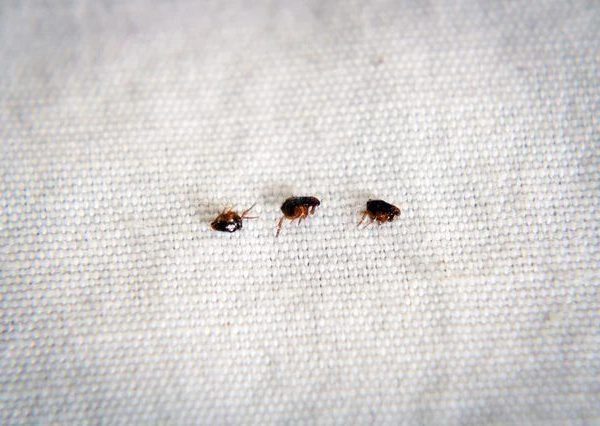
Before you start, be sure the problem is fleas and not bed bugs, mosquitos or mite bites. Fleas are tiny (1–3 mm), dark brown, and jump. Bites often appear as small itchy bumps clustered around legs or ankles. Check carpets, under desks, office chairs, and areas near any pets or rodent activity. You can test by placing a white piece of paper under a suspected area and brushing the carpet; small dark specks that turn reddish when wet are likely flea droppings (digested blood).
2. Immediate containment
Time is important because adult fleas are only ~5% of the population eggs, larvae and pupae hide elsewhere. Do these first:
-
Close off infested zones (meeting rooms, storerooms) to stop spread.
-
Ask staff to avoid sitting/placing bags in heavily infested spots.
-
Remove clutter where fleas can hide (cardboard boxes, unused stock).
3. Deep cleaning: vacuum, wash, and steam
Cleaning removes eggs, larvae, and adults from surfaces and greatly improves the effectiveness of follow-up treatments.
-
Vacuum thoroughly: carpets, under desks, along skirting boards, upholstery, entrance mats and stairs vacuum edges and crevices too. Empty vacuum bags/containers immediately into sealed plastic bags and dispose of them outside the building.
-
Wash soft items: removable chair covers, cushion covers, curtains and any cloth that can be laundered. Use the hottest water safe for the fabric and dry on high heat if possible.
-
Steam clean carpets and upholstery where feasible high heat kills many life stages and loosens debris for vacuuming.
4. Treat the environment (safe, targeted pesticide use)
If cleaning alone doesn’t resolve the issue, targeted insecticidal treatment is the next step. In an office setting choose methods that are effective and safe for people.
-
Use products labelled for indoor flea control and follow all instructions. Many effective options combine an adulticide (to kill adult fleas) with an insect growth regulator (IGR) such as pyriproxyfen or methoprene — the IGR prevents eggs and larvae from becoming adults.
-
Focus treatments on carpets, upholstered furniture, baseboards, cracks and crevices, behind radiators and under furniture.
-
Use gels or baits only if a professional recommends them for rodent-associated fleas — do not place insecticide baits where staff or children can access them.
-
If using aerosol or fogging products, evacuate the area for the recommended period and ventilate thoroughly before re-entry.
Safety note: Always follow label directions. If staff include pregnant people, infants, or people with respiratory conditions, prioritize non-chemical methods first and consider hiring a licensed pest control service that uses low-toxicity options.
5. Treat animal and rodent sources
Fleas often arrive on pets or via rodents. Even if your office doesn’t have pets, staff sometimes bring animals into the premises for short periods, or rodents may use storerooms.
-
If a staff member’s pet appears to be the source, advise them to have the animal treated by a veterinarian with an approved flea program (topical or oral treatments plus collars as recommended).
-
If there are signs of rats or mice (droppings, gnaw marks), arrange for professional rodent control and seal entry points. Rodent control reduces the chance of re-infestation.
6. When to call professional pest control in Nairobi
Call a licensed pest control company if:
-
The infestation covers multiple rooms or recurs after home methods.
-
You prefer a guaranteed treatment plan with follow-up visits.
-
Your office has vulnerable occupants (young children, elderly, pregnant staff), or large open-plan offices where coordinated treatment is needed.
A reputable Nairobi pest control service will: inspect first, prepare a written quote and treatment plan, use products registered for indoor use, advise on re-entry times, and provide follow-up visits. Ask about warranties and what the company does to minimize disruption during working hours.
7. Follow-up and monitoring
Fleas have a life cycle that can take several weeks; one treatment may not be enough.
-
Continue vacuuming daily for at least 2–3 weeks after treatment.
-
Re-wash or steam-clean soft furnishings weekly if possible.
-
Use flea traps or sticky cards to monitor activity, or simply inspect for new bites.
8. Prevention make it hard for fleas to return
Long-term prevention saves time and reputation.
-
Keep exterior doors closed where possible and use door mats to reduce incoming pests.
-
Maintain clean storerooms (no food/debris for rodents) and store boxes on shelves rather than on the floor.
-
Have a policy for pets in the workplace — ideally pets should be treated with vet-recommended flea prevention before visiting.
-
Work with a facility management or cleaning company that includes regular deep-cleaning (vacuuming, steam-cleaning) in their schedule — especially for carpeted offices.
Fleas in an office are irritating but manageable. The most successful approach combines thorough cleaning, targeted environmental treatments, removing or treating animal and rodent hosts, and monitoring to catch any survivors. If you’re in Nairobi and prefer a hands-off solution, choose a licensed pest controller who knows local pest behaviour and safe product options. With prompt, coordinated action you’ll restore a comfortable, bite-free workplace quickly.