
Checklist on How to Prepare for Fumigation Services in Nairobi

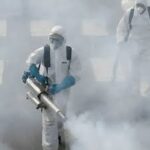
Fumigation is an effective way to eliminate pests like termites, cockroaches, rodents, and bedbugs, which are common in Nairobi due to its warm climate and urban environment. Preparing your home or business for fumigation ensures the process is safe, efficient, and successful. This checklist outlines the essential steps to take before fumigation services in Nairobi, helping you protect your property, family, and pets while maximizing the treatment’s effectiveness.
1. Understand the Fumigation Process
Before scheduling fumigation, consult with a licensed pest control company in Nairobi to understand the scope of the service. Ask about:
-
Type of pests targeted: Confirm whether the fumigation addresses your specific pest problem (e.g., termites in wooden structures or bedbugs in furniture).
-
Chemicals used: Ensure the chemicals are approved by the Pest Control Products Board (PCPB) in Kenya and safe for indoor use.
-
Duration: Fumigation typically takes 6–24 hours, with an additional 24–48 hours for ventilation, depending on the property size and pest severity.
-
Safety precautions: Understand post-fumigation guidelines, such as re-entry times and cleaning requirements.
This knowledge helps you plan accordingly and set realistic expectations.
2. Hire a Licensed and Reputable Fumigation Company
Nairobi has many pest control providers, but not all are reliable. To choose the right company:
-
Verify their PCPB certification and check for valid licenses.
-
Read online reviews or ask for references from past clients in Nairobi.
-
Request a detailed quote that includes pre-fumigation inspections and follow-up services.
-
Confirm they provide a fumigation certificate, which may be required for commercial properties or rental agreements.
A reputable company ensures safe handling of chemicals and thorough pest elimination.
3. Schedule the Fumigation
Choose a convenient time to minimize disruption:
-
Opt for a weekend or holiday when family members or employees can stay away from the property.
-
Check Nairobi’s weather forecast, as heavy rain (common during the April–May rainy season) may affect outdoor fumigation or ventilation.
-
Notify neighbors in advance, especially in apartments or closely built estates like Westlands or Kilimani, as fumigation odors may spread.
Proper scheduling reduces inconvenience and ensures safety for everyone nearby.

4. Remove Food and Perishables
Fumigation chemicals can contaminate food, beverages, and utensils. To prevent this:
-
Seal or remove food items: Pack dry goods (e.g., rice, flour, spices) in airtight containers or move them to a safe location outside the fumigation zone.
-
Empty refrigerators and freezers: Consume or store perishable items elsewhere, as Nairobi’s warm temperatures can spoil food left outside.
-
Secure utensils and cookware: Wash or seal kitchen items in plastic bags to avoid chemical residue.
This step is critical to maintaining food safety during and after fumigation.
5. Protect Pets and Plants
Pets and plants are sensitive to fumigation chemicals. Take these precautions:
-
Relocate pets: Move dogs, cats, birds, or fish to a friend’s house or a pet boarding facility in Nairobi, such as those in Karen or Lavington.
-
Cover or move plants: Indoor plants should be taken outside, and outdoor plants near the fumigation area should be covered with plastic sheets.
-
Secure pet supplies: Remove pet food, bowls, and bedding to prevent contamination.
Ensuring the safety of pets and plants avoids health risks and costly replacements.
6. Prepare the Interior of the Property
Proper preparation of your home or office enhances the fumigation’s effectiveness:
-
Clear clutter: Remove items from floors, shelves, and corners to allow easy access to pest hiding spots.
-
Open cabinets and drawers: This ensures chemicals reach all areas, especially for pests like cockroaches or ants.
-
Vacuum and clean: Vacuum carpets, mattresses, and furniture to remove pest eggs or debris, particularly for bedbug infestations common in Nairobi’s Airbnb rentals.
-
Seal sensitive electronics: Cover computers, TVs, and other devices with plastic sheets to protect them from chemical exposure.
These steps help the fumigation team target all pest-infested areas thoroughly.
7. Secure Personal and Valuable Items
Protect your belongings from potential damage or contamination:
-
Remove clothing and linens: Pack clothes, bedding, and towels in sealed bags or store them off-site.
-
Secure important documents: Move passports, certificates, or business records to a safe location.
-
Protect jewelry and valuables: Store them in a locked safe or with a trusted person to avoid misplacement during the process.
Taking these measures safeguards your possessions and gives you peace of mind.
8. Arrange Temporary Accommodation
Fumigation requires you to vacate the premises for safety. Plan ahead:
-
Book a hotel or Airbnb in Nairobi, such as in the CBD or suburbs like Ngong Road, for 1–2 nights.
-
Stay with family or friends in areas like Rongai or Syokimau, depending on your location.
-
Ensure all occupants, including children and elderly family members, have a comfortable place to stay.
This step is non-negotiable to avoid exposure to harmful fumigation chemicals.
9. Notify the Fumigation Team of Specific Concerns
Before the fumigation begins, communicate any unique issues:
-
Highlight pest hotspots, such as termite-damaged wooden beams or rodent nests in storage rooms.
-
Mention health concerns, like allergies or respiratory conditions, to ensure the team uses appropriate chemicals.
-
Point out structural issues, such as leaky pipes or cracks, which may harbor pests and require additional treatment.
Clear communication helps the team tailor the fumigation to your property’s needs.
10. Plan Post-Fumigation Actions
After fumigation, take these steps to ensure safety and prevent re-infestation:
-
Ventilate the property: Open windows and doors for at least 24 hours to clear chemical odors, especially in Nairobi’s humid climate.
-
Clean surfaces: Wipe down countertops, tables, and floors with soap and water to remove any chemical residue.
-
Inspect for pest activity: Monitor for signs of pests in the weeks following fumigation and report any issues to the company for follow-up.
-
Maintain hygiene: Regularly clean your property and seal entry points to deter pests, particularly in high-risk areas like Eastlands or near Nairobi’s open markets.
These actions prolong the fumigation’s effectiveness and keep your space pest-free.
Preparing for fumigation services in Nairobi requires careful planning to ensure safety and success. By following this checklist—understanding the process, hiring a reputable company, securing food and pets, preparing the property, and planning post-fumigation steps you can achieve a pest-free environment with minimal stress. Whether you’re in a residential estate like Kileleshwa or a commercial hub like Upper Hill, these steps apply universally. Work closely with your fumigation provider, stay proactive, and enjoy a clean, safe space free from pests.