
How Often You Should Schedule For Your Home or Office Fumigation Services in Nairobi

Living or working in Nairobi, Kenya’s bustling capital, comes with its share of challenges, including pest infestations that can disrupt homes and offices. From cockroaches scurrying in kitchens to termites silently damaging wooden structures, pests pose health risks and property damage. Regular fumigation is a proactive solution, but how often should you schedule it? This blog explores the factors influencing fumigation frequency, recommended schedules, and tips for effective pest control in Nairobi’s unique environment.
Why Fumigation Matters in Nairobi
Nairobi’s tropical climate, with warm temperatures and high humidity, creates an ideal breeding ground for pests like mosquitoes, ants, rodents, and bedbugs. Urban areas, with dense populations and abundant food sources, amplify the problem. In homes, pests can contaminate food, spread diseases, and cause allergic reactions. In offices, they can damage equipment, disrupt operations, and harm a business’s reputation. Fumigation, a process that uses chemical agents to eliminate pests, is essential for maintaining a safe and comfortable environment.
The frequency of fumigation depends on several factors, including the type of property, pest prevalence, and environmental conditions. Let’s break down the key considerations for scheduling fumigation services in Nairobi.
Factors Influencing Office Fumigation Services in Nairobi Frequency
1. Type of Property
Homes and offices have different fumigation needs. Residential spaces, especially those with kitchens, gardens, or pet areas, are prone to pests like ants, cockroaches, and rodents. Homes with children or elderly residents may require more frequent fumigation to ensure health safety. Offices, particularly those in high-traffic areas or near food outlets, face risks from pests like rats and flies. Warehouses or storage facilities may need regular fumigation to protect goods from termites and weevils.
2. Pest Infestation Levels
The severity of pest problems in your area influences fumigation schedules. If you notice frequent pest sightings—such as cockroaches in cabinets or mosquito bites at night—it’s a sign that more regular fumigation is needed. In Nairobi, areas near open drains, markets, or construction sites are more pest-prone, necessitating proactive measures.
3. Seasonal Changes
Nairobi’s wet seasons, typically March to May and October to December, increase pest activity. Mosquitoes thrive in stagnant water, while rodents seek shelter indoors. Scheduling fumigation before or during these seasons can prevent infestations. Dry seasons, while less pest-heavy, may still require maintenance fumigation to keep termites and ants at bay.
4. Building Condition
Older buildings or those with cracks, poor drainage, or cluttered spaces are more vulnerable to pests. Regular inspections and fumigation can address vulnerabilities. Newer properties may need less frequent fumigation but should not skip it entirely, as pests can still infiltrate.

Recommended Fumigation Schedules
Based on Nairobi’s conditions and pest control best practices, here are general guidelines for fumigation frequency:
For Homes
-
General Maintenance: Every 3–6 months. Most homes in Nairobi benefit from quarterly or biannual fumigation to keep common pests like cockroaches, ants, and mosquitoes under control.
-
High-Risk Areas: Monthly or bimonthly. Homes near dumpsites, open sewers, or with frequent pest sightings should schedule more frequent fumigation.
-
Post-Infestation: Immediate follow-up. After treating a severe infestation, such as bedbugs or termites, follow-up fumigation within 1–2 months ensures complete eradication.
For Offices
-
Standard Offices: Every 4–6 months. Offices in commercial buildings with moderate pest risks can maintain a safe environment with biannual fumigation.
-
Food-Related Businesses: Monthly. Restaurants, cafes, or offices near food courts in Nairobi should prioritize monthly fumigation to comply with health regulations and protect customers.
-
Warehouses: Every 2–3 months. Storage facilities housing food, furniture, or paper products need frequent fumigation to prevent damage from termites, weevils, or rodents.
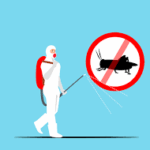
Tips for Effective Fumigation Services in Nairobi
-
Hire Professional Services: Choose licensed pest control companies in Nairobi with experience in local pest challenges. They use safe, effective chemicals and follow regulatory guidelines.
-
Prepare Your Space: Before fumigation, clear clutter, seal food, and cover electronics to ensure thorough treatment. Follow the fumigator’s instructions for vacating the premises.
-
Combine with Preventive Measures: Fumigation works best alongside good hygiene, sealed entry points, and regular waste management. Fix leaks, trim vegetation, and store food securely to deter pests.
-
Monitor Pest Activity: Keep an eye out for pest signs between fumigation sessions. Early detection allows for timely intervention, reducing the need for emergency treatments.
-
Customize Your Plan: Work with your fumigation company in Nairobi Kenya to create a schedule tailored to your property’s needs, considering factors like location, occupancy, and pest history.
Regular fumigation is a critical investment for homes and offices in Nairobi, where pests thrive in the city’s climate and urban setting. For most properties, scheduling fumigation every 3–6 months strikes a balance between prevention and cost-effectiveness. However, high-risk areas or businesses may require monthly or bimonthly treatments. By understanding your property’s needs, staying proactive, and partnering with professional pest control services, you can keep your space pest-free and healthy year-round.
Take control of your environment today—schedule your next fumigation and enjoy peace of mind in Nairobi’s vibrant cityscape.